
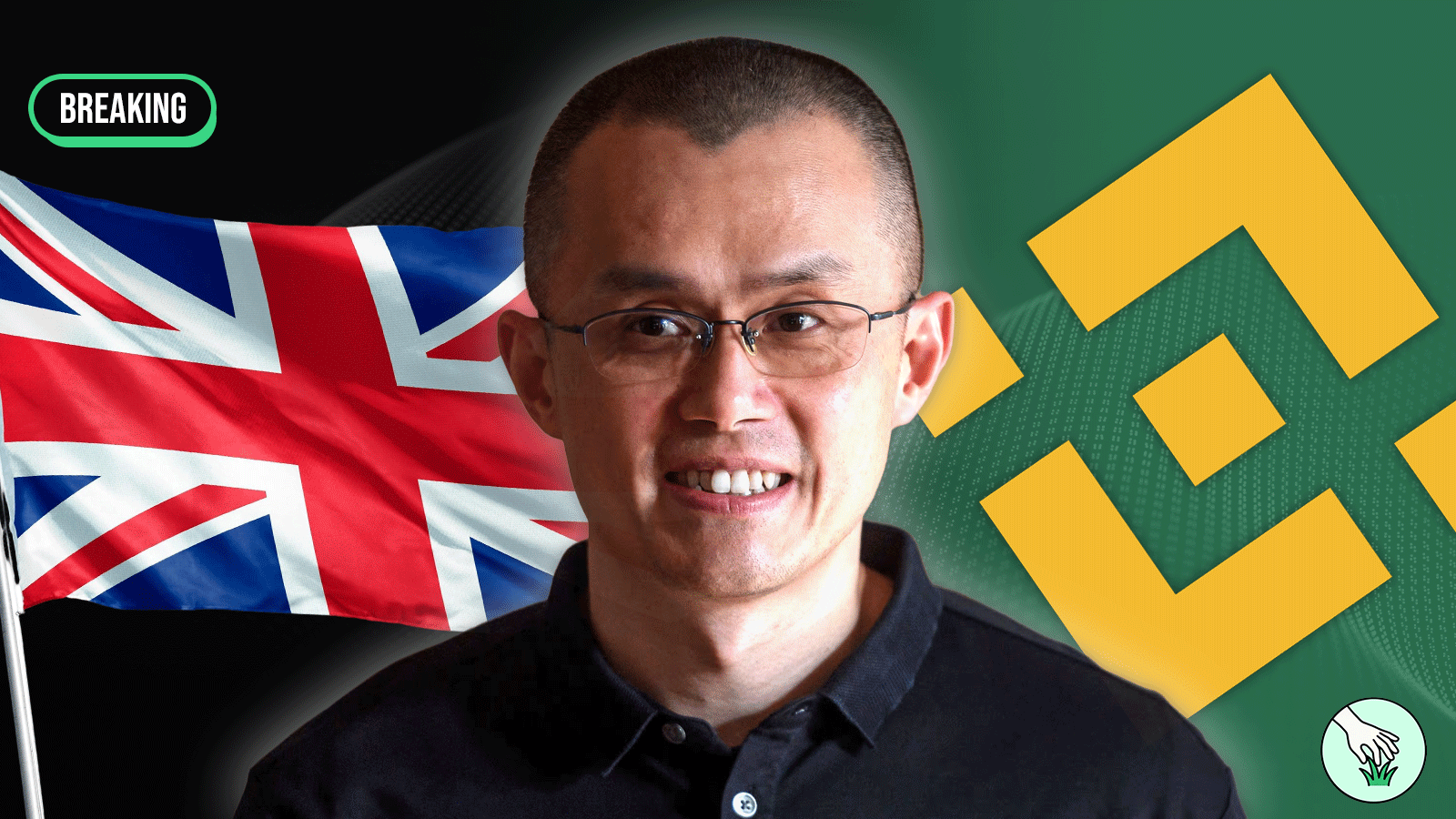
Nearly 1,700 investors have filed a £150 million claim in London’s High Court, alleging Binance sold them high-risk crypto derivatives it wasn’t authorised to sell. Binance denies wrongdoing and says it’ll defend the case. Here’s what’s actually in the filing, and what hasn’t been proven.
Changpeng Zhao is having the kind of week the crypto comeback tour wasn’t supposed to include.
Nearly 1,700 investors have filed a group claim against Binance and its founder, better known as CZ, at London’s High Court, seeking at least £150 million, or around $200 million, according to Reuters, which broke the story on June 30. The claimants say Binance sold them complex, high-risk leveraged crypto derivatives, leveraged tokens, futures and options, without the regulatory authorisation to do so. Binance denies any wrongdoing and says it’ll contest the claim.
Hold onto that last sentence, because it matters the whole way through. None of this has been tested in court. Everything that follows is what the claimants allege, not what anyone has proven.
What the claim actually says
According to the filing and Reuters’ reporting, the investors say Binance marketed these products to retail customers from late 2019, in alleged breach of the UK’s Financial Services and Markets Act. The claim names a few defendants: Binance Holdings, registered in the Cayman Islands; Nest Exchange, based in the UAE; Zhao himself; and a catch-all group of “persons unknown” said to run the platform behind the scenes. Some claimants say their losses ran into tens of thousands of pounds each.
The legal argument is the genuinely interesting bit, and it’s narrower than “Binance bad.” The claimants’ firm, KP Law, is leaning on a specific point of UK law: where a company arranges these kinds of regulated transactions without authorisation, those contracts can be ruled unenforceable. Which, the claimants argue, could let them claw back not just their losses but their original stakes too. Whether that flies is now a question for a judge, not a done deal.
Two things stop this being a slam dunk in either direction. The core of the claim rests on that FSMA authorisation requirement, which was in force the entire time. On top of it sits the Financial Conduct Authority’s January 2021 ban on flogging crypto derivatives and exchange-traded notes to retail punters, a rule the FCA brought in citing the products’ volatility and the very real risk of getting your face ripped off in a bad afternoon. The claim covers conduct both before and after that ban, and the claimants say Binance kept some products available to UK users even after it kicked in. Binance, for its part, restricted UK access and added verification steps once the ban landed. Whether those steps went far enough is exactly what’s in dispute.
Why the timing stings
The claim lands in the middle of an already awkward stretch for Zhao, and this next part is established public record, not part of the case. He pleaded guilty in 2023 to failing to maintain an adequate anti-money-laundering programme at Binance, as part of a record $4.3 billion settlement with US authorities. He did four months in a California prison in 2024. Then, in October 2025, he was pardoned by President Donald Trump, per Justice Department records and reporting at the time.
Since then, CZ’s been on a very public redemption arc. In April 2026 he self-published a 364-page memoir with the subtitle “A Memoir of Protecting Users, Resilience, and the Founding of Binance.” A £150 million claim brought by users is not the sequel that title was setting up. Though, again, and we really can’t say this enough, the claim is unproven and Binance rejects it.
It isn’t landing in a vacuum either. The filing arrived the same week Binance backed out of the European Union entirely: as the MiCA regime’s transition period expired on July 1, the exchange pulled its services for EU customers after its licence bid via Greece fell through, leaving its main authorisation over in the UAE, according to CoinDesk and crypto.news. Regulatory pressure, in other words, is coming from several directions at once, and CZ is the guy standing where all the arrows point.
The bigger question
Strip away the name recognition and this is a test of something the whole industry has mostly managed to dodge: when an unlicensed platform sells high-risk products and retail traders get wrecked, who eats the loss, the platform or the trader? Courts across the West have got noticeably more willing to actually hear that question since FTX imploded, and a ruling against one of the biggest names in crypto would echo a long way past London.
For now, none of it’s decided. Binance says it operated within the law and will defend the claim. The claimants say otherwise. Somewhere between a memoir about protecting users and a £150 million filing from users, a court is going to have to work out which version the evidence actually supports.
This article describes allegations contained in a civil claim that have not been proven in court. Binance denies any wrongdoing and has said it will defend the case. Nothing here is financial or legal advice.